
Biker Culture Clothing and Identity From Classic Leather to Casino Nights
One of the subcultures that has been around the longest is biker culture. It is a way of life shaped by the open road, personal freedom, and a strong sense of community. From its origins in the United States after World War II to the global riding scene of today, the culture has grown without losing its core essence. Biker culture clothing remains a big part of that identity. To understand what drives it, you have to look closely at history, values, and the places where riders gather.
Biker Culture Values at Modern Resorts and Casinos
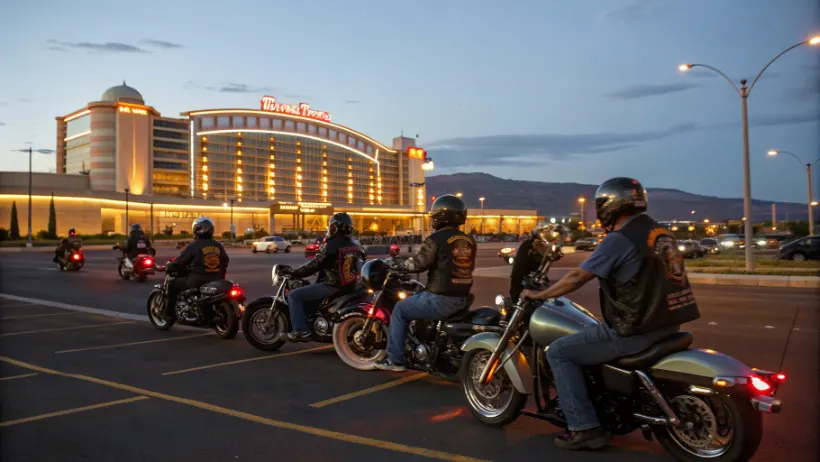
Today, major gambling resorts actively court the riding community. Platforms like glitzbets casino are part of a broader entertainment culture that intersects with biker travel, reflecting how riders have always built social worlds around the journey itself. Riders who cover enormous distances often plan stops at entertainment hubs where they can enjoy food, live music, and conversation. Casinos give the community a place to gather, swap stories, and maintain the social ties that make biker culture something greater than a hobby.
Few people realize how far back the relationship between biker culture and entertainment venues goes. Rallies have always been about more than riding. Since the earliest days, Sturgis and Daytona have featured live music, dealer rows, custom competitions, and spaces designed for socializing. As events grew in scale, so did their supporting infrastructure. Casino resorts became natural gathering points for riders arriving from hundreds or thousands of miles away.
"Poker runs have been part of riding culture for decades. The stop at the casino is not a contradiction — it is simply another extension of the social world riders have always built around the ride."
| Venue Type | Role in Biker Gatherings | What Attracts Riders |
|---|---|---|
| Casino resorts | Social hubs on long-distance routes | Poker events, post-rally parties |
| Entertainment complexes | Food, lodging, and leisure stops | Comfort, community, shared culture |
| Live music venues | Rally performance stages | Concerts, open mic nights, atmosphere |
| Custom bike shows | Celebrations of craft and skill | Competitions, judging, peer recognition |
| Charity ride endpoints | Fundraising and memorial events | Brotherhood, purpose, community values |
What Is Biker Culture? Origins, Brotherhood, and Identity
So what is biker culture, exactly? At its core, it is a way of life built around motorcycles, personal freedom, and an unbreakable sense of community. Veterans who came back from war looked for the same rush of freedom they had felt during service, and motorcycles gave them speed, independence, and a bond with others that was impossible to find in postwar suburbia. Clubs sprang up across California and the American Midwest, creating close-knit communities with their own rules, routines, and codes of loyalty that outsiders could feel but rarely fully understand.
It was never just about bikes. It was about belonging to something real. In biker culture, brotherhood means showing up for long rides, charity runs, roadside breakdowns, and slow Saturday morning coffee conversations that stretch for hours. This connection is stronger than any single aspect of the lifestyle, and it has been passed down from generation to generation.
The First Clubs and Their Legacy
In the late 1940s and early 1950s, many types of clubs emerged, ranging from open riding groups to tightly organized chapters with strict membership rules. Some clubs attracted media attention for unlawful activity, but the vast majority were built on shared passion and mutual respect. Organizations like the American Motorcyclist Association helped establish a culture of structured riding, while independent clubs developed their own customs still observed today — from patch designs to initiation rides.
Biker Culture Values That Define the Riding Community
Any kind of rider can be part of biker culture. It includes weekend tourers, custom builders, long-distance travelers, and daily commuters. What unites them is a clear set of biker culture values:
- Freedom — the road as a space to clear the mind and reclaim the self
- Loyalty — standing by your club, your riding companions, and the community
- Authenticity — no pretense; respect for what is real, earned, and lived
- Self-reliance — knowing your tools, trusting your instincts, and handling your own problems
- Honor — for fellow riders, the road, and the heritage of the community
- Brotherhood and sisterhood — bonds that cross borders and backgrounds
- Craft — a love of well-made bikes, custom work, and the skill required for both
Biker Culture History: How Style Has Changed Over Time
Biker culture history is woven into the fabric of American social change. The first motorcycle clubs were fueled by surplus equipment and the restless energy left over from the end of the war. Through the 1950s and 1960s, motorcycles became symbols of cultural rebellion. Hollywood took notice, shaping public perception in ways that riders themselves sometimes embraced and sometimes resisted.
By the 1970s, chopper culture had taken root in California garages, where factory bikes were stripped down and rebuilt into rolling works of art. Long-distance touring became its own discipline. Women entered the scene not as passengers but as riders and builders in their own right. With each decade, biker culture clothing evolved in both appearance and meaning.
| Era | Defining Style Elements | Cultural Impact | Key Moments |
|---|---|---|---|
| 1940s–1950s | Military surplus jackets, engineer boots, plain denim | WWII veterans, early club formation | 1947 Hollister rally |
| 1960s–1970s | Leather cuts, fringe, hand-stitched patches, chopper aesthetic | Custom builders, counterculture movement | Easy Rider (1969) |
| 1980s–1990s | Classic black leather, club-branded vests, chrome accents | Mainstream adoption, Harley-Davidson resurgence | Sturgis growth, HOG founding |
| 2000s–now | Heritage leather, technical riding gear, everyday lifestyle wear | Urban riders, women who ride, global scene | Charity ride tradition, Bike Week expansion |
Biker Culture Clothing as a Sign of Values and Identity
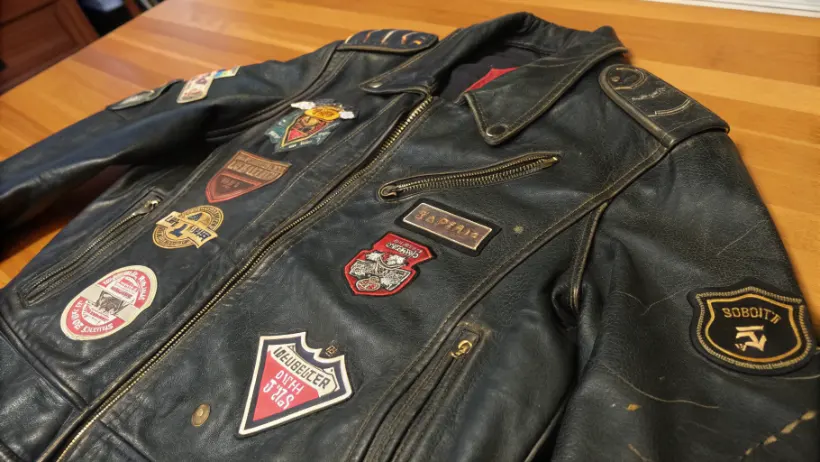
Biker culture clothing operates on two levels simultaneously. The practical layer is straightforward: leather protects in a fall, boots grip loose gravel, gloves guard the hands. But the symbolic layer is equally important. What a rider wears communicates where they have been, which club they belong to, and what they stand for. In this world, clothing is not fashion — it is a visual language.
The most loaded word in that language is the "cut" — the denim or leather vest worn over a jacket. Patches earned through service or achievement, bottom rockers naming a chapter's territory, and center-back designs unique to each club are like biography stitched into fabric. A well-worn cut can tell you more about a person than hours of conversation.
"The leather does more than keep you safe. It speaks for you without a word. Every scratch and gouge is a sentence that other riders can read."
The Leather Jacket: Always Essential
The leather jacket found its way into biker culture through necessity and became legend through use. The classic asymmetrical silhouette — offset zipper, snap lapels, belted waist — was designed for function but became an enduring icon. Brands like Schott and Vanson built their reputations with riders who actually put the gear to work. That legacy still shapes what serious riders look for: precise fit, durable materials, and construction that performs as well as it looks.
Essential Pieces in Every Rider's Wardrobe
The foundation of biker culture clothing is not a single outfit but a collection of pieces that accumulate meaning over time:
- The cut — a denim or leather vest carrying patches that reflect club pride and personal history
- The leather jacket — both protective gear and a record of years on the road
- Engineer or harness boots — ankle support, oil-resistant heels, and timeless construction
- Full-grain leather riding gloves — ideally gauntlet-style for highway riding
- Bandanas and neck gaiters — rich in cultural history, practical against dust, wind, and sun
- A personalized helmet — full-face or half-shell, customized with stickers or paint to reflect the rider's identity
- Riding pants or selvedge denim — durable enough to serve on and off the bike
How Biker Culture Evolves: From Leather to Lifestyle
Riders have always been more adaptable than their reputation for tradition suggests. The community that enforces strict patch rules and club hierarchies has simultaneously welcomed city professionals, retired teachers, and globe-trotting adventure riders — all without losing its identity. The surface changes. The attitude holds.
Modern lifestyle riding has expanded the conversation around biker culture clothing without replacing it. Serious riders now carry both classic leather and CE-rated technical fabrics. Women's riding gear, once treated as an afterthought, has grown into a genuine market with purpose-built options. Younger riders personalize their cuts with hand-embroidered patches drawing from both old-school tradition and contemporary art. The visual language evolves, but anyone who understands what it means to ride can still read it.
The same principle applies to how the culture engages with online spaces. Riders share routes, review gear, document custom builds, and organize events on platforms that did not exist a decade ago. Biker culture did not resist this — it moved through it the way it moves through everything else: on its own terms, at its own pace, keeping what serves the community and leaving behind what does not.
Biker culture has outlasted every prediction of its decline. Across many decades, its clothing, values, and community bonds have evolved without becoming hollow. From leather jackets in the postwar years to modern lifestyle riding, from roadside diners to casino resort stops, the culture remains grounded in something real: freedom chosen deliberately, honesty in identity, and solidarity that endures across the miles.